
If you talk to a man in a language he understands, that goes to his head. If you talk to him in his own language, that goes to his heart. Do you agree with Nelson Mandela?
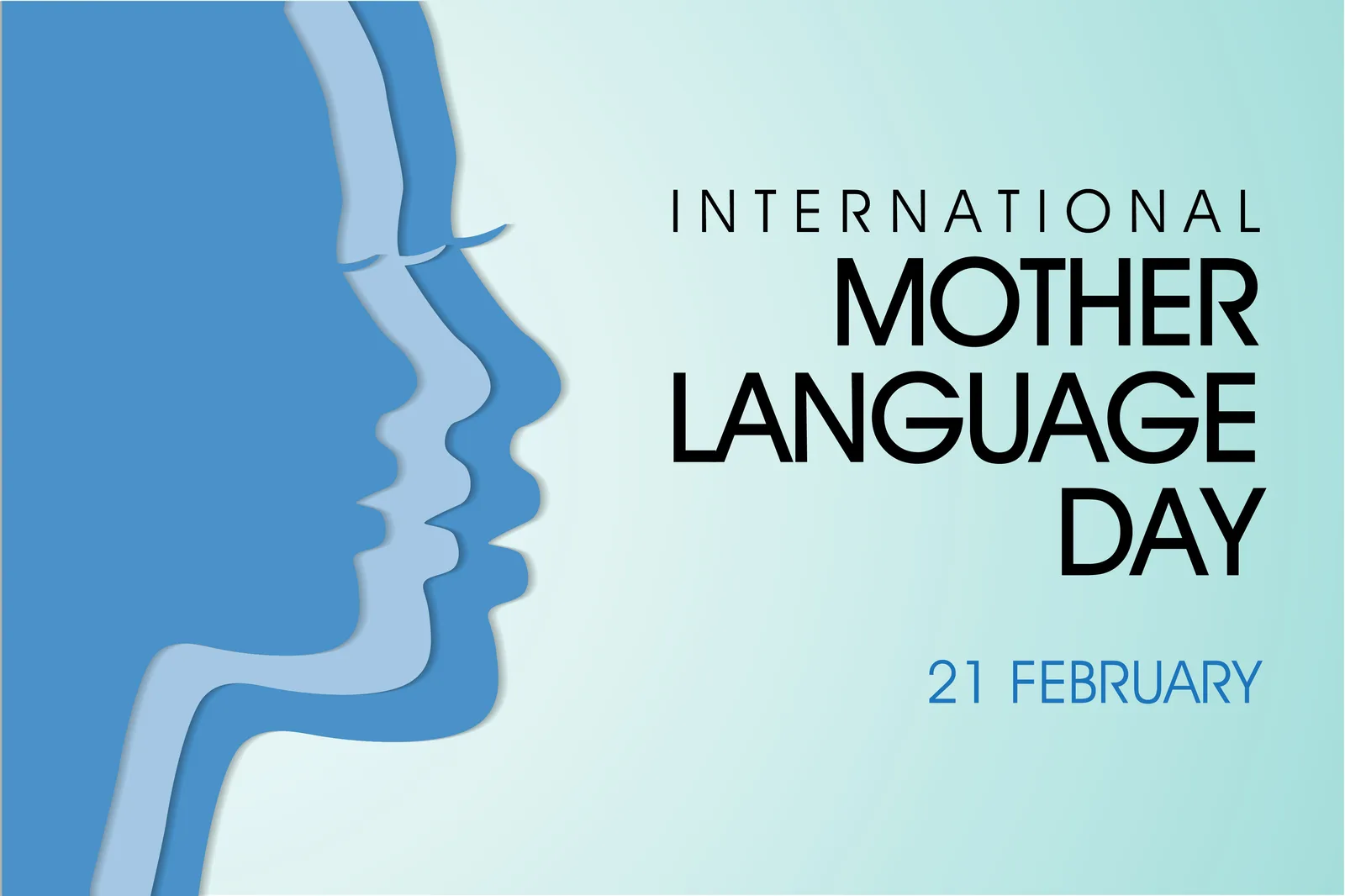
It is an undeniable fact that we live in a globalised world and English has become a lingua franca for education, employment and technology. However, our mother tongue is always an important part of our identity and it provides the basic foundation for learning other languages. After all, a language is always much more than just a way of communicating. So, let’s celebrate International Mother Language Day and promote multilingualism as well as linguistic and cultural diversity!
___________________________________________________________________
Something Borrowed
Ballet and croissant from France, tsunami and karaoke from Japan, paparazzi from Italy, kindergarten from Germany, telephone from Greece …
Hmm, do your English learners know what loanwords are? How many words derived from their mother tongue and used in English can they think of? Has the meaning of these words in English changed (compared to their original meaning)?
tip ✍️ English has also offered many new words to so many languages… For example, Internet, computer and meeting are some English words that are often used in other languages. So, you could also ask your young learners of English to make a list of English words that they often use in their mother tongue.
That’s a great opportunity to have your young learners of English work on an art project inspired by Vincent van Gogh! Tell your students about the famous sunflowers and let the artwork become a source of inspiration for your students. Explain that there are bunches of flowers and bunches of words; and these ‘vocabulary bunches’ make up the languages we all know and appreciate! So, your students have to create paper flowers (or flowers made out of recycled cereal boxes or other recyclable materials) that will display ‘word families’. For example, there could be a word family about technology: the center of the flower would be the word technology and each petal would be a relevant English word that is used in your students’ mother tongue, e.g. Internet.
___________________________________________________________________
Something Blue
If you say that you feel blue, will your students understand that you are sad? And are they familiar with proverbs and idioms (these totally strange expressions that don’t make sense literally)?
International Mother Language Day is a great opportunity to share with them some popular British proverbs and idioms and ask them to work on a presentation of similar phrases in their mother tongue that could not be understood by the Brits! For example, how would they say that it’s raining cats and dogs in their mother tongue?
___________________________________________________________________
Something New
Write the following statement on the board for your class to think about and discuss: A foreign language can change how we see the world and it helps us to make better decisions.
Explain that there are some surveys which suggest that when thinking in a foreign language, we may make more clear-sighted and dispassionate decisions. But what do your students think? Would they make the same decisions in a foreign language as they would in their mother tongue? Hmm… That’s a matter for debate!
Divide your class into two teams. Have the first team agree with the statement and the second team disagree. Both teams have to prepare their arguments, present them, discuss and reach a conclusion. Well, having the opportunity to debate with your peers certainly motivates you to speak and express your opinion (and therefore improve your language skills)!
tip ✍️ Before the debate, help your students to remember the vocabulary they’ll need for agreeing, disagreeing and expressing their opinions.
___________________________________________________________________
That’s it! You are ready to celebrate this day with your English learners and support an education policy which respects both your students’ mother tongue heritage and the undeniable need for English knowledge in a globalised world. After all, you can never understand one language until you understand at least two, as Geoffrey Willans once said. Happy International Mother Language Day!